Top Therapy-Adjacent & Mental Health Books I Read in 2025
As a therapist, I like to make a yearly book list of therapy and mental health reads. I try to include books on social justice and identity, as well as topics like trauma, sex therapy, and mental wellness. Below are some of my top therapy-adjacent books from 2025. I often recommend these to clients to help them explore ideas outside of session or to find validation in authors who reflect experiences similar to their own. Here are my top five therapy-adjacent books I read in 2025.
Trauma Stewardship – Laura van Dernoot Lipsky
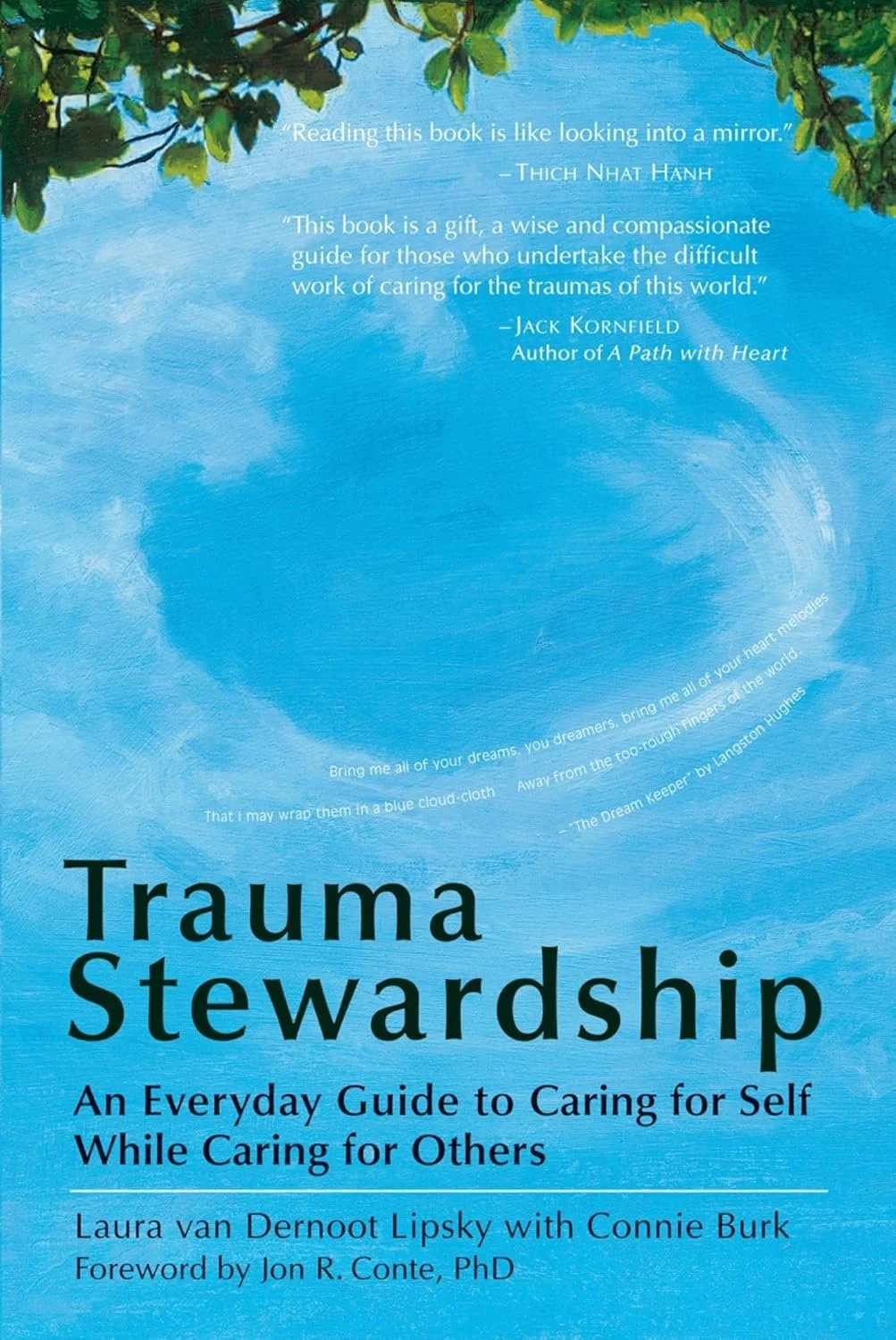
Trauma Stewardship takes a deep look at how different professions absorb trauma. We often think of healthcare workers, emergency responders, or law enforcement, but the author also highlights jobs most people do not realize are impacted. Researchers, environmentalists, and many others face emotional and mental health challenges simply by doing their work.
Why it mattered in 2025:
This year has been especially challenging. Changes in political administration, job losses, and financial stress have increased the emotional burden across professions. This book shines a light on the unseen impact of trauma stewardship and offers insight into how people carry stress in their work without even realizing it.
Key Insight
I loved how the book highlights professions most people would not expect, like researchers and environmentalists. I have already started applying this framework when working with clients in engineering, healthcare, and academia.
Recommendation
I definitely recommend this book. It includes comics that illustrate key concepts, making the material engaging. The audiobook is excellent as well. I read half as an ebook and finished the rest on audio.
Come Together – Emily Nagoski
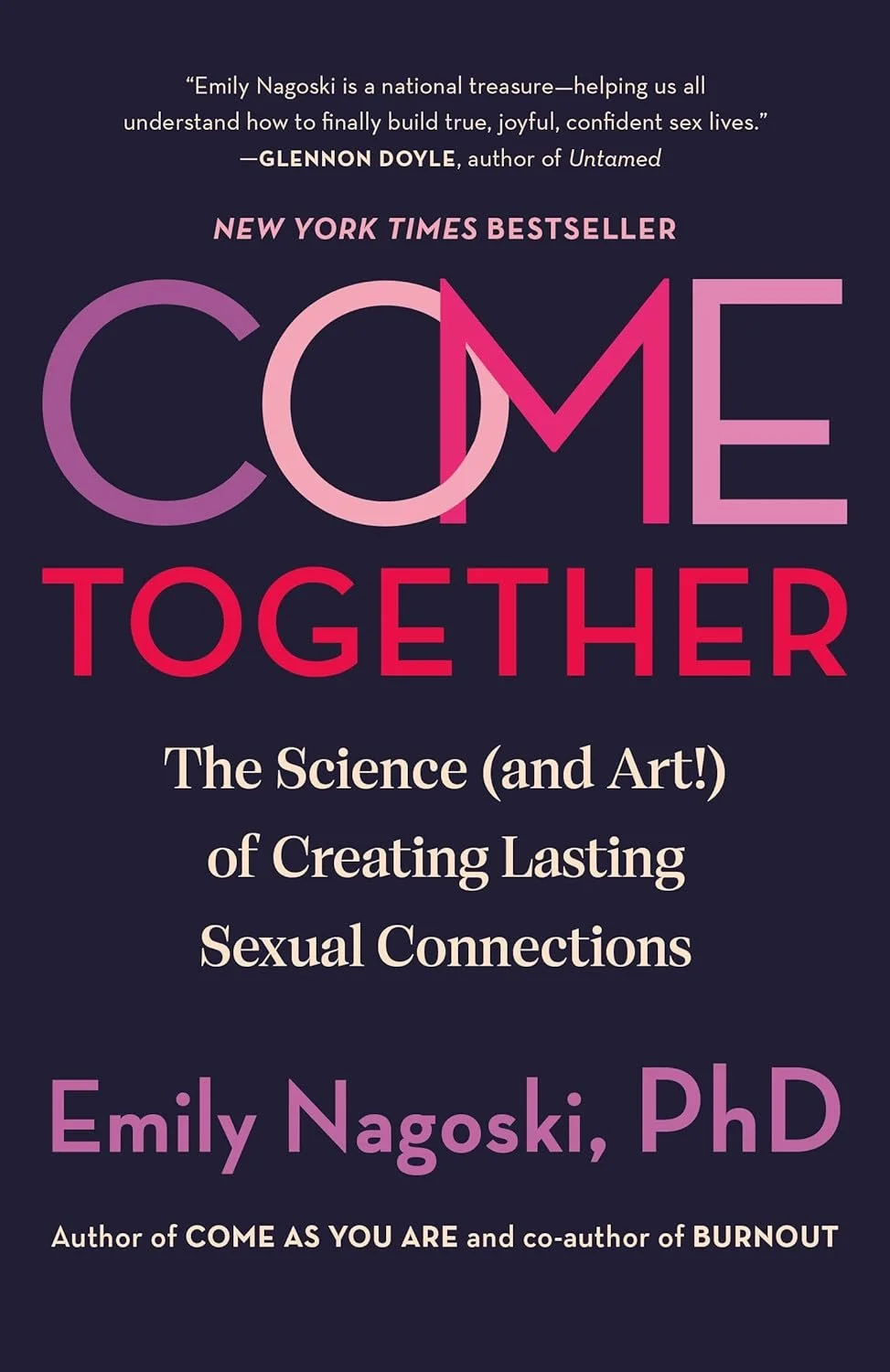
Come Together pairs well with Emily Nagoski's book Come As You Are. It focuses on sexual connection and differences in desire within relationships. The book explores how couples can communicate openly and strengthen intimacy.
Why it mattered in 2025
Many of my clients bring up concerns about differences in sex drive or desire with their partners. This book normalizes those differences and emphasizes connection and communication. It makes clear that no one person is the "problem" when sexual desire is not perfectly aligned.
Key Insight
I liked how the book addresses myths about sex in long-term relationships. It helps people understand that differences in desire are normal and not a reflection of failure or performance issues. I appreciate that it encourages open conversation about sexual desire and removes stigma from topics that are often avoided.
Recommendation
I recommend this book to both couples and individuals. I have started sharing it with clients who feel guilty about wanting sex less frequently than their partner or who notice differences in sexual interest. It provides tools for connection and understanding rather than shame.
Anxiously Attached – Jessica Baum
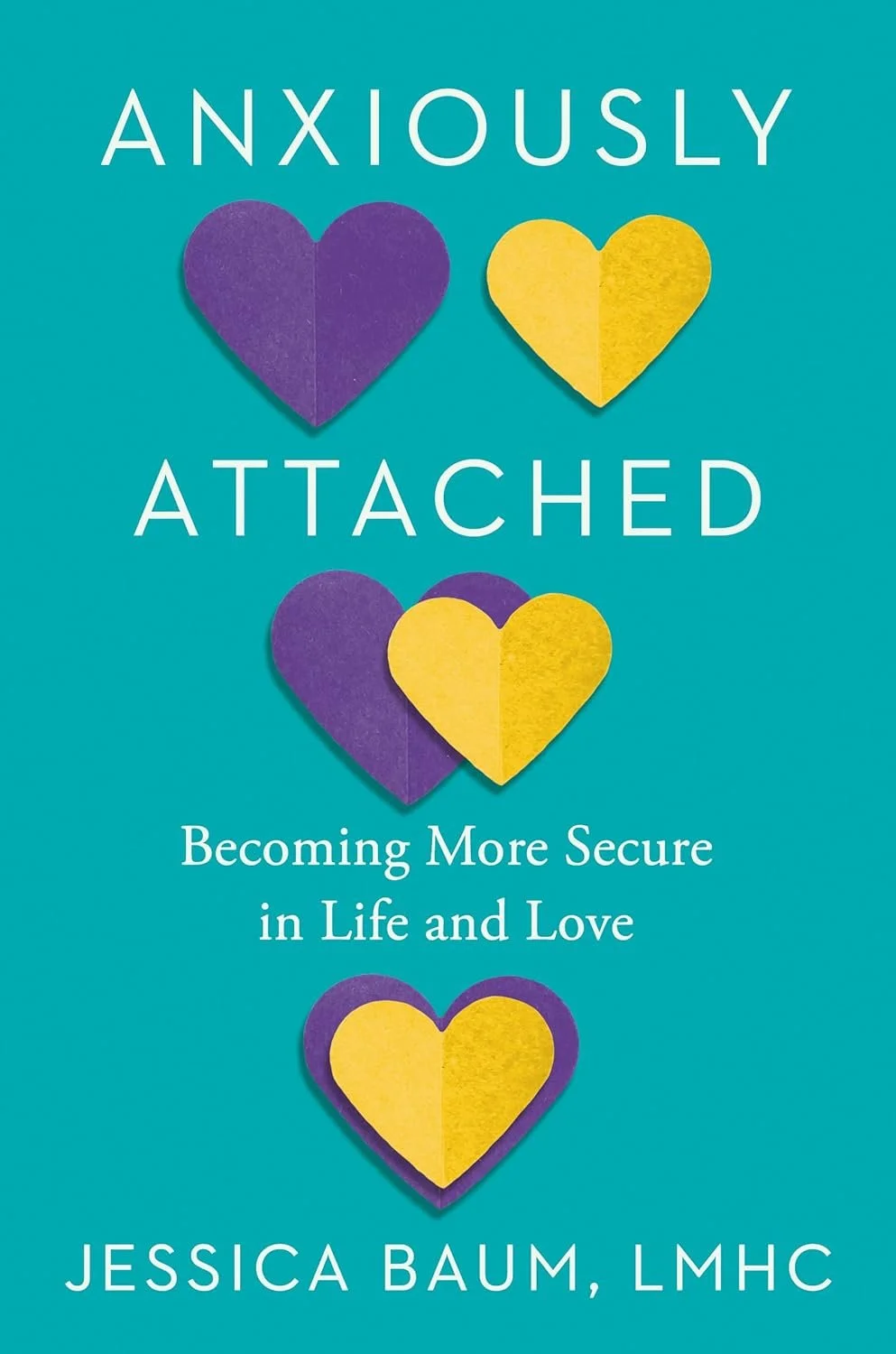
Anxiously Attached explores anxious and avoidant attachment styles, weaving in aspects of anxious attachment from the author’s own experience. It explains how attachment develops, ways to regulate your nervous system, and how to communicate with the inner parts that emerge when attachment needs are not met.
Why it mattered in 2025
One of my clients recommended this book. I enjoy reading books alongside clients when they are interested and discussing key concepts related to their goals. This book, in particular, is valuable for understanding attachment styles. It offers insight into how people respond to stress and helps clarify relationship patterns quickly.
Key Insight
I appreciated how the author connects nervous system responses, like fight or flight, to behaviors in relationships. These responses can push others away and create cycles of disconnection. I also enjoyed how the book incorporates Internal Family Systems techniques, teaching readers to work with their “little me” to regulate their nervous system and respond more mindfully in relationships.
Recommendation
This has become my go-to recommendation for clients who want to understand attachment, the nervous system, and Internal Family Systems. The author explains concepts in clear, relatable language without overcomplicated therapy jargon. The book also includes exercises and activities to help readers apply the work in real life.
Hood Feminism – Mikki Kendall
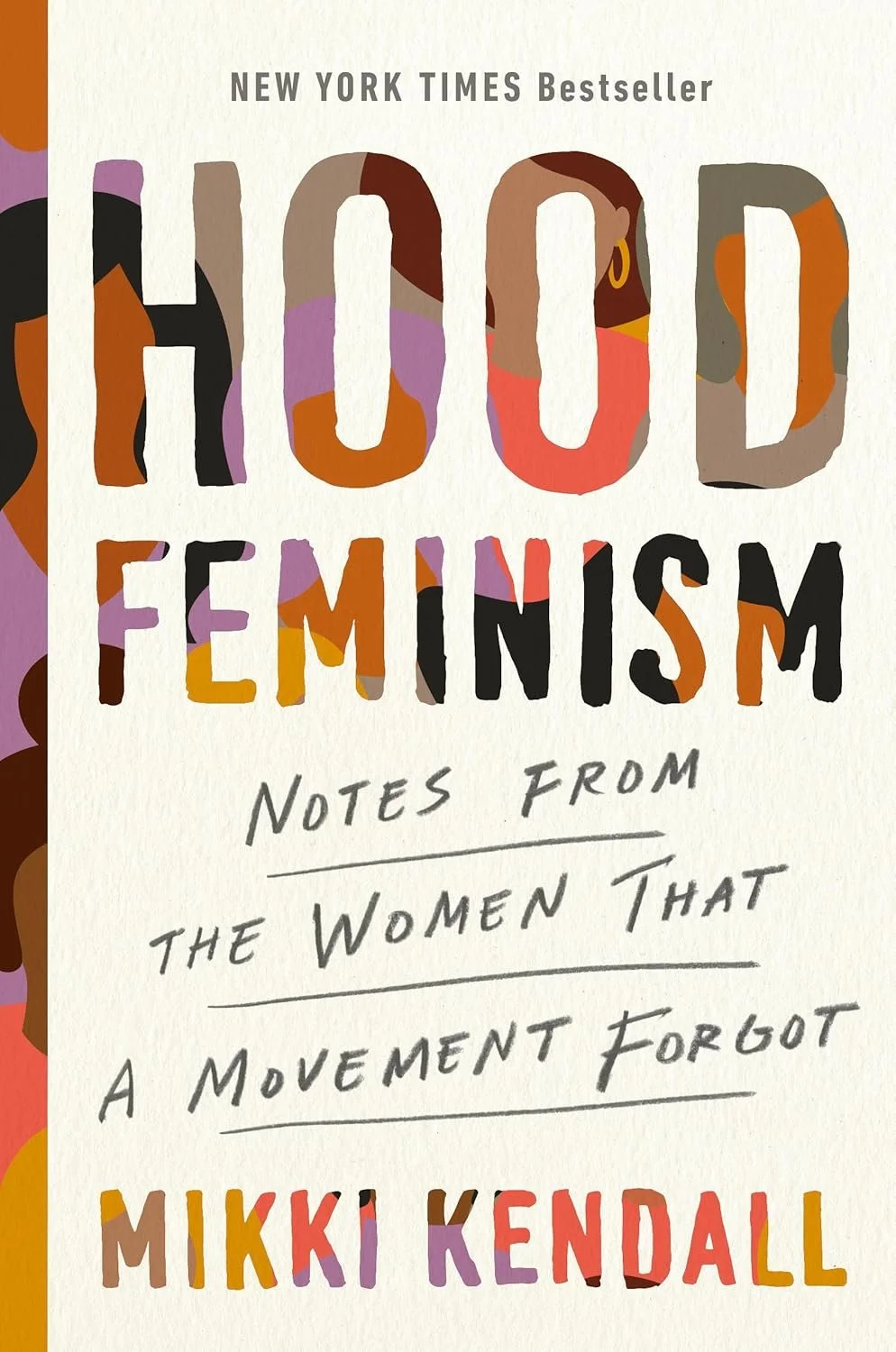
While Hood Feminism is not technically a therapy book, it provides valuable education and insight into how intersectionality impacts people mentally, emotionally, and systemically. It is an essential read for healthcare professionals working with BIPOC women. As a white woman myself, it opened my eyes to systemic issues and the unique expectations placed on women of color.
Why it mattered in 2025
Feminism often focuses on the experiences of white women. Women of color are often overlooked, and policies aimed at reducing inequity frequently fail to address the specific challenges and barriers they face. This book emphasizes the mental and emotional impact of systemic inequities.
Key Insight
I appreciated the specific examples showing where the feminist movement falls short. The book illustrates how women of color are frequently excluded from conversations about affordable housing, healthcare disparities, and education. It shows the mental and emotional toll of these systemic gaps.
Recommendation
I strongly recommend this book to healthcare professionals. It covers topics that are rarely addressed in traditional schooling, even in required graduate-level diversity classes. The writing is engaging, insightful, and thought-provoking.
Gender Queer – Maia Kobabe
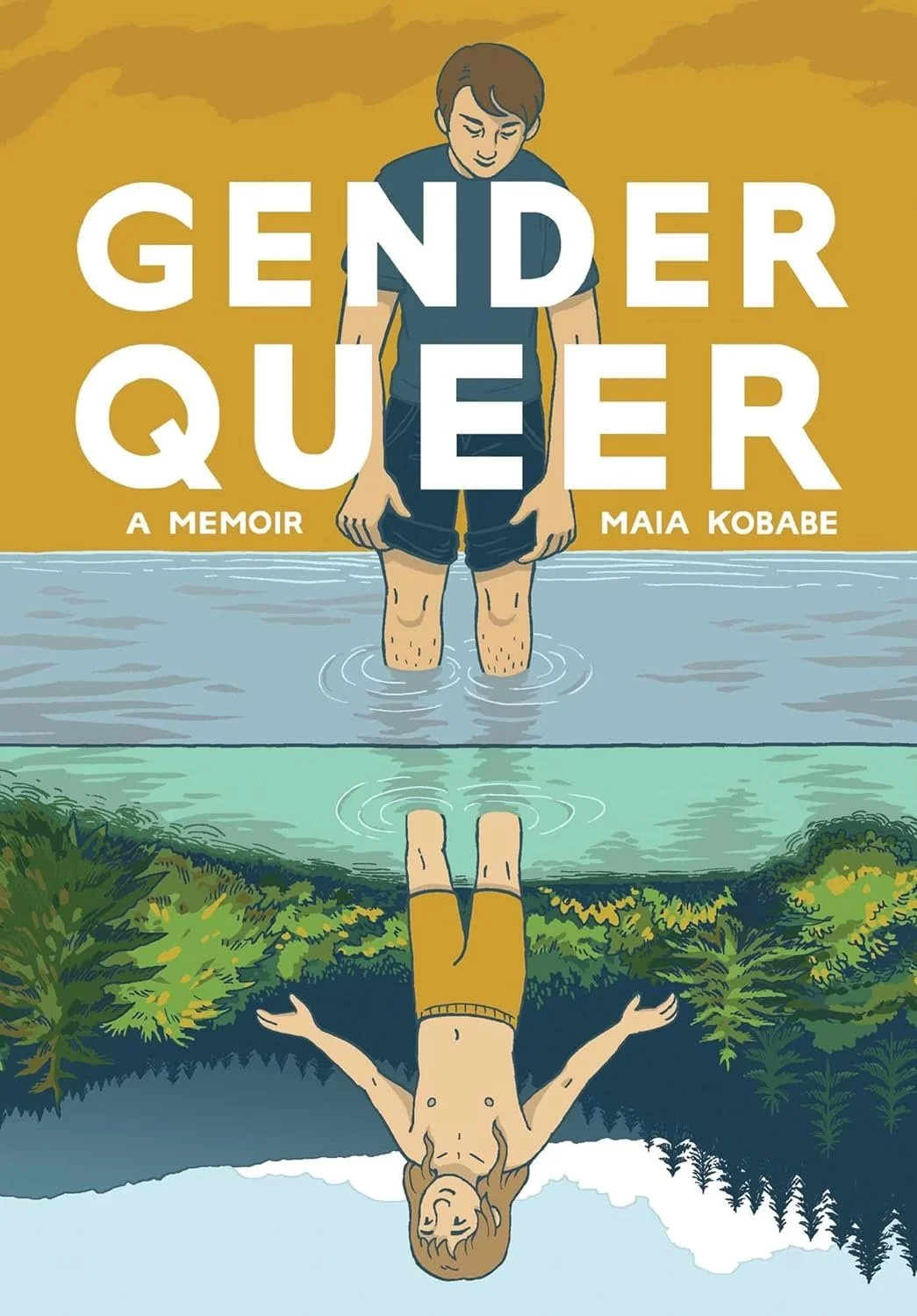
Gender Queer is a graphic novel and memoir about the author’s journey in exploring their non-binary and LGBTQ+ identity. Like the previous book, it is not a traditional therapy book, but it offers deep insight into understanding gender and self-acceptance.
Why it mattered in 2025
Many people still face scrutiny and oppression if they are not cisgender. This book provides a personal perspective on discovering gender identity. It helps readers understand experiences that differ from cisgender expectations.
Key Insight
I appreciated how the author describes the physical experience of gender and how it feels in their body. This offers valuable insight for cisgender readers, while providing validation for people who are non-binary and transgender. I also liked the inclusion of parent and peer interactions, as well as dating experiences, which shows the social and relational dynamic of gender identity.
Recommendation
This book was recommended to me by a colleague. I wholeheartedly recommend it to therapists, healthcare workers, and parents. Reading about a person’s lived experience fosters empathy and a deeper understanding of people whose identities may differ from our own.
Recommendations for Readers
Many of the books on my 2025 list are great reads for clients, therapists, healthcare professionals, and students. These books inspired me to keep learning and to find additional resources for clients who want to explore mental health topics outside of session. I also enjoy reading about different lived experiences related to mental health and identity, which helps me better understand the people I work with.
If you have reading recommendations for 2026, feel free to comment on one of my Instagram posts or DM me on Instagram at @createwellnesscounselor.
Resources
Emily Nagoski, Ph.D. Come Together. https://www.emilynagoski.com/
Jessica Baum. Anxiously Attached. https://jessicabaumlmhc.com/anxiously-attached
Mikki Kendall. Hood Feminism. https://mikkikendall.com/hood-feminism/
The Trauma Stewardship Institute. https://traumastewardship.com/store/
